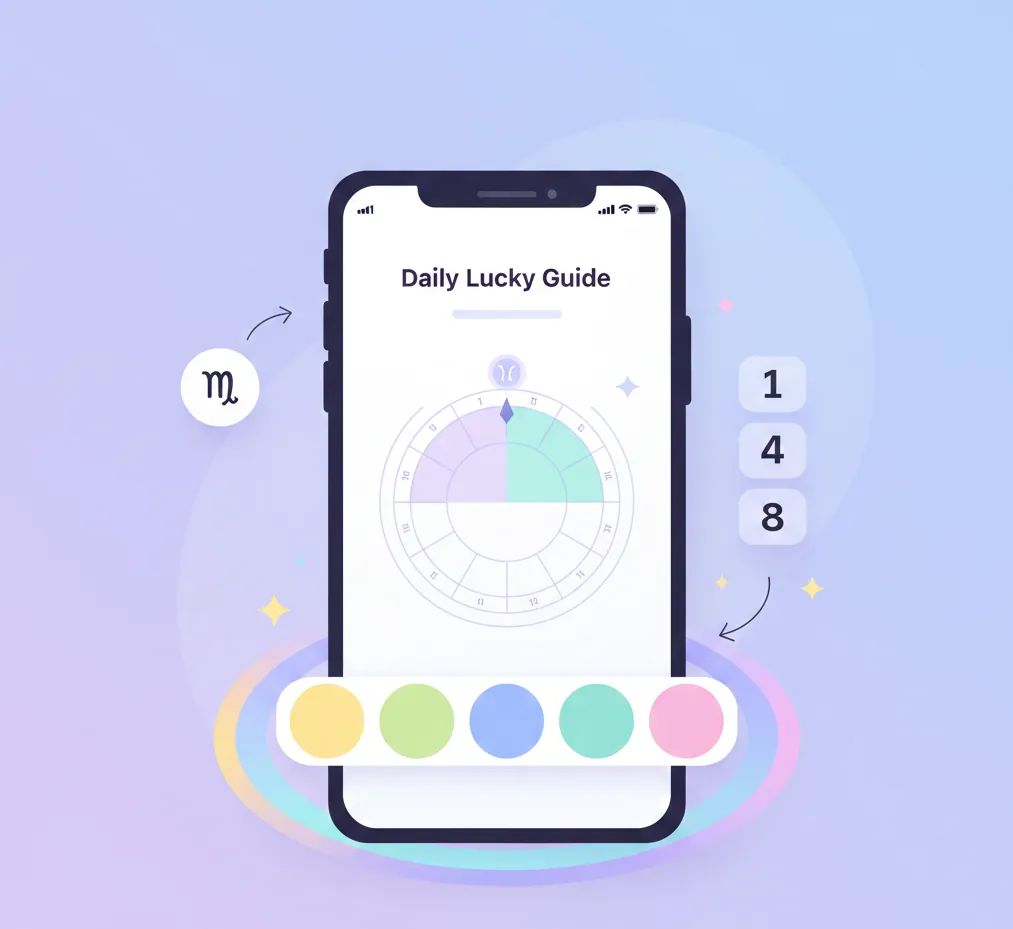
Lucky Numbers and Colors Work Best as Personal Ritual
Many Indian users enjoy lucky colors for interviews, festivals, exams, business openings, or important calls. There is nothing wrong with that when it gives confidence. The trouble begins when a color replaces preparation.
A Patna Exam-Day Ritual That Stayed Practical
A student in Patna wears a preferred color on exam day because it makes her feel calm. She also sleeps well, reaches early, carries admit card, and revises formulas. The color supports confidence; preparation carries the result.
When Lucky Cues Start Creating Anxiety
Some users treat lucky numbers like guaranteed outcomes. They choose dates, prices, or decisions for symbolic reasons while ignoring practical details.
Another mistake is becoming anxious when a lucky color or number is unavailable. A ritual should reduce stress, not create it.
Use the Prompt Without Outsourcing the Outcome
Use lucky colors and numbers as small confidence cues. Pair them with real planning: documents ready, money checked, route planned, conversation prepared.
For business or finance, let numbers such as cost, margin, tax, and cash flow matter more than symbolic preference.
How to Keep It Light
Use this tool for fun, habit, and cultural comfort. Do not let it override preparation, evidence, or common sense. Confidence is helpful; responsibility is still yours.
Fun Daily Reference Tools
The Final Takeaway
Daily lucky colors are psychological anchors that build confidence.
Suggested Action
Incorporate today's color subtly into your attire for a small mental boost.
The Cultural Life of Lucky Numbers and Colors in India
The idea that certain numbers and colors carry auspicious or inauspicious qualities is woven through Indian culture at every level. House numbers are checked before purchase. Vehicle number plates are sought after if they produce lucky sums. Wedding dates are evaluated partly by the auspiciousness of the numerical date. Festival colors — saffron for Navratri, yellow for Basant Panchami, red for Teej, white for Diwali ghee diyas — are not chosen arbitrarily. They carry symbolic, religious, and seasonal significance embedded in thousands of years of cultural practice.
Lucky numbers and colors in the astrological tradition derive from associations between planets, signs, and specific numbers and colors in both Vedic Jyotish and Western astrology. Each planet has ruler-associated colors: Sun with gold and orange, Moon with white and silver, Mars with red, Mercury with green, Jupiter with yellow, Venus with white and pink, Saturn with blue and black. These planetary color associations transfer to the signs each planet rules and the nakshatras associated with each planet.
Sign-Based Color and Number Associations
In Western and Vedic astrology, specific colors and numbers are traditionally associated with each sign:
Aries (ram, ruled by Mars): Red, shades of orange. Lucky numbers: 1, 9. Taurus (ruled by Venus): Green, pink, earth tones. Lucky numbers: 6, 2. Gemini (ruled by Mercury): Yellow, light green. Lucky numbers: 5, 3. Cancer (ruled by Moon): White, silver, pearl. Lucky numbers: 2, 7. Leo (ruled by Sun): Gold, orange, amber. Lucky numbers: 1, 4, 10. Virgo (ruled by Mercury): Navy, grey, earth tones. Lucky numbers: 5, 3. Libra (ruled by Venus): Blue, lavender, pink. Lucky numbers: 6, 9. Scorpio (ruled by Mars/Pluto): Deep red, burgundy, black. Lucky numbers: 8, 9. Sagittarius (ruled by Jupiter): Purple, dark blue. Lucky numbers: 3, 7. Capricorn (ruled by Saturn): Dark brown, forest green, black. Lucky numbers: 8, 4. Aquarius (ruled by Saturn/Uranus): Electric blue, violet. Lucky numbers: 4, 8. Pisces (ruled by Jupiter/Neptune): Sea green, aquamarine, lilac. Lucky numbers: 3, 7.
How to Use Lucky Number and Color References
Lucky number and color suggestions from astrological sources are not rules — they are symbolic invitations for intentional living. Wearing a suggested color on a given day does not guarantee positive outcomes; avoiding a supposedly unlucky number does not prevent challenges. The potential value lies in the gentle layer of symbolic intention that some people find adds texture and meaning to ordinary choices.
Practically, color references work well as styling prompts — particularly for people who enjoy having an external source of creative direction in what they wear or how they arrange their space. Number references are less practically applicable unless used as creative tiebreakers in genuinely arbitrary choices (choosing between two otherwise equivalent options).
The most honest framing: lucky number and color content is positive, culturally connected, harmless entertainment that can add a small note of tradition, cultural continuity, or symbolic intention to the day if used lightly. It should not add anxiety (avoiding any number), constrain important decisions (choosing a doctor or apartment based on numerological association), or create conflict with practical judgment.
When Colors and Numbers Carry Real Significance
Outside the astrological entertainment context, numbers and colors do carry genuine significance in specific cultural and religious contexts: the number of guests invited, the number of sweets in a wedding gift box, the color of thread in a rakhi, the vermillion shade used in sindoor, the specific white garments appropriate for mourning in certain communities. These cultural prescriptions are different from astrological lucky/unlucky designations — they are rooted in specific religious and social meaning that should be understood and respected on those terms, not conflated with casual daily lucky-number references.
Lucky number and color suggestions are entertainment and cultural reference content. They are not scientifically validated predictors of outcomes. Use with lightness and amusement, not as guidance for significant choices.